Out-of-hours use is electricity a building uses while it's closed, above what has to run all the time. On a healthcare estate, look for it in health centres, outpatient wings, clinics, estates offices, education centres and restaurants, not on the 24-hour inpatient supply. The fix is usually a schedule change in the building management system (BMS). Check any change to ventilation or hot water with the right safety group first.
Where to look on a healthcare estate
A hospital's main meter can't show out-of-hours use, because wards, theatres on call and emergency departments never close. The places that do close are where the savings hide:
- Health centres and GP-led community buildings, usually open 08:00 to 18:30 on weekdays, with some evening and Saturday sessions.
- Outpatient departments and day units, if they're on their own meter or sub-meter.
- Estates, finance and HQ offices, often in older buildings with old controls.
- Education and training centres, which empty out in the evening and over holidays.
- Community bases and clinics used on a few days a week.
In the analyser, set each of these to the Clinic / outpatients / health centre preset (08:00 to 18:30 on weekdays) or the office preset. Leave inpatient sites on the 24/7 preset.
Get the opening hours right first
Every out-of-hours figure depends on the calendar. Healthcare buildings often have patterns an office doesn't: extended-access evening clinics, Saturday vaccination sessions, a dental or physiotherapy list one evening a week, or a shared reception that opens early for a community team. Add those as open hours before you trust the numbers. If you don't, legitimate clinics show up as waste and the real problem gets buried.
How to find it in half-hourly data
- Look at the heatmap. Opening hours form a dark weekday band. Dark patches outside it, at night, at weekends or over bank holidays, is what you're looking for. See how to read a heatmap.
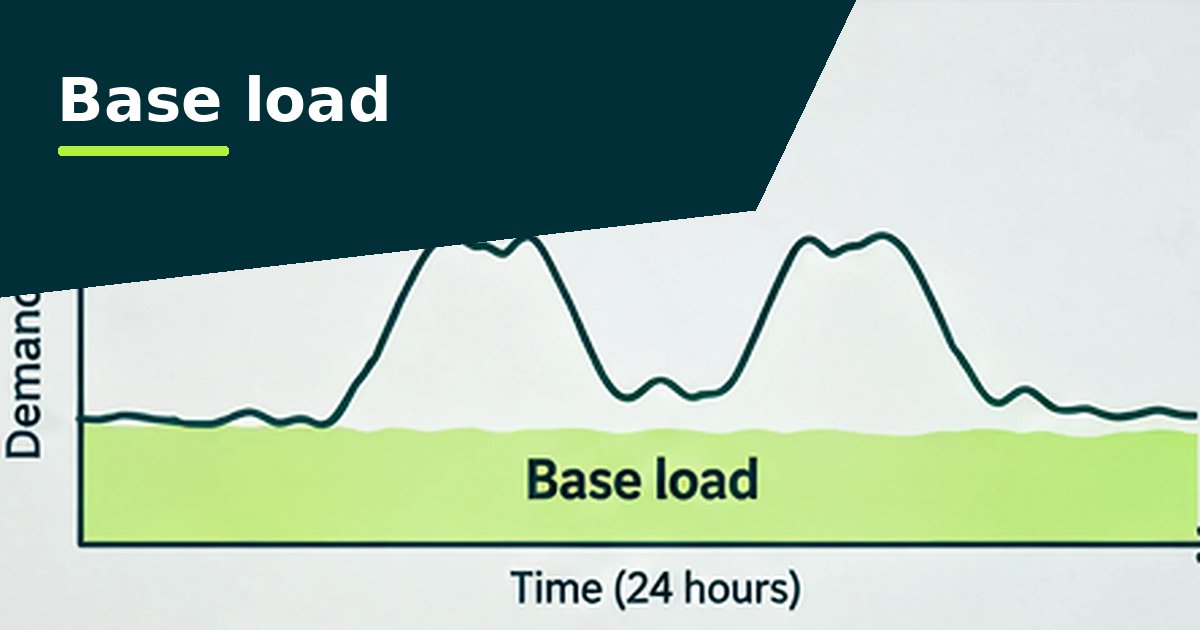
- Read the closed-hours excess. The analyser takes the base load away from every closed half hour and prices what's left at your rate. It splits the result into weekday nights, Saturdays, Sundays and bank holidays, because each usually has a different cause.
- Check the edges of the day. A ramp that starts two hours before the first appointment, or stays up long after the last, is usually optimum start or a fixed timer set too wide.
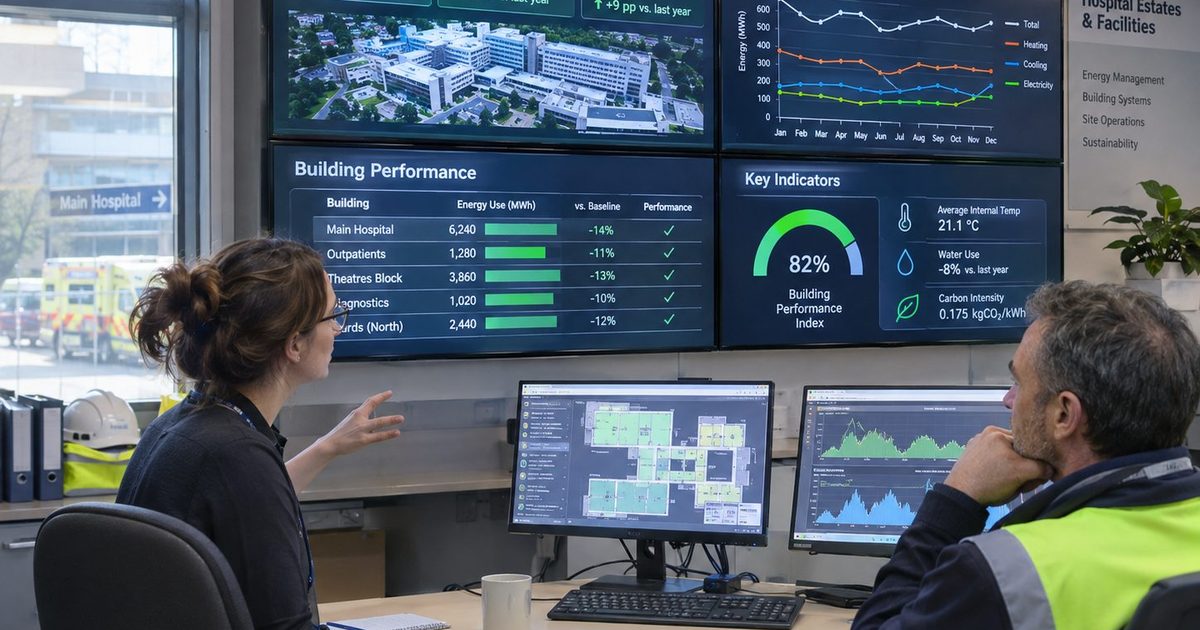
- Compare similar buildings. Load several health centres at once and rank them by closed-hours excess, so the worst one gets looked at first.
What usually causes it in healthcare buildings
- Ventilation left on 24/7. Air handling units in clinics are often scheduled to run continuously "to be safe", or share plant with an area that does need it.
- Bank holidays missing from the BMS calendar. Christmas, Easter and the summer bank holiday look like normal clinic days.
- Clinical kit left on. Dental compressors and suction plant, X-ray and ultrasound left on standby, and treatment-room lighting.
- Heating and cooling fighting each other overnight, with split air-conditioning units cooling rooms the heating has warmed.
- One evening session running the whole building, because the BMS can't zone a single clinic room.
- Plant left in hand after maintenance and never put back to auto.
Fixing it safely
Most fixes are BMS schedule changes, holiday calendars and timers, and they cost little. Two need care in healthcare buildings:
- Ventilation in clinical rooms. Treatment rooms, minor surgery rooms and dental surgeries can have specific ventilation requirements under HTM 03-01. Agree any setback with your Ventilation Safety Group and Authorised Person (Ventilation).
- Hot water. Calorifier and circulation temperatures are part of your water safety plan for legionella control under HTM 04-01. Don't switch off hot water or circulation pumps to save energy without the Water Safety Group.
Vaccine and pharmacy fridges, IT, fire and security systems belong in the base load and should stay on.
Who to involve
You need someone who can change the controls (your estates officer or BMS contractor) and someone who knows how the building is actually used (the practice or clinic manager). Show both the heatmap and the split by type of day. Then load the next month's data and check the change worked, as set out in proving a saving worked.
Questions people ask
Can I measure out-of-hours use on a hospital main meter?
Not directly, because an inpatient site never closes. Use the base load, its monthly trend and the 01:00 to 05:00 low-activity window instead, and sub-meter or separately meter the buildings that do close.
Is it safe to switch off ventilation in a health centre at night?
Often yes for offices, waiting areas and consulting rooms, but not for every clinical room. Check the room types against HTM 03-01 and agree changes with your Ventilation Safety Group.
Why do our bank holidays look like working days?
Usually because the BMS holiday calendar is empty or out of date. It is one of the cheapest fixes there is: enter the dates once a year.
How soon can I see whether a schedule change worked?
After four to eight weeks of new data. Compare the same types of day before and after the change in the analyser.