The cheapest carbon to remove on a hospital estate is usually energy wasted by plant running when it isn't needed: theatre ventilation overnight, air handling in empty outpatient areas, lights on 24 hours, and heat lost from steam and hot water pipework. Fix controls and schedules first, then lighting and insulation, then larger plant. Every kilowatt saved also makes the heat pumps and connection upgrades you need later smaller.
Theatre ventilation
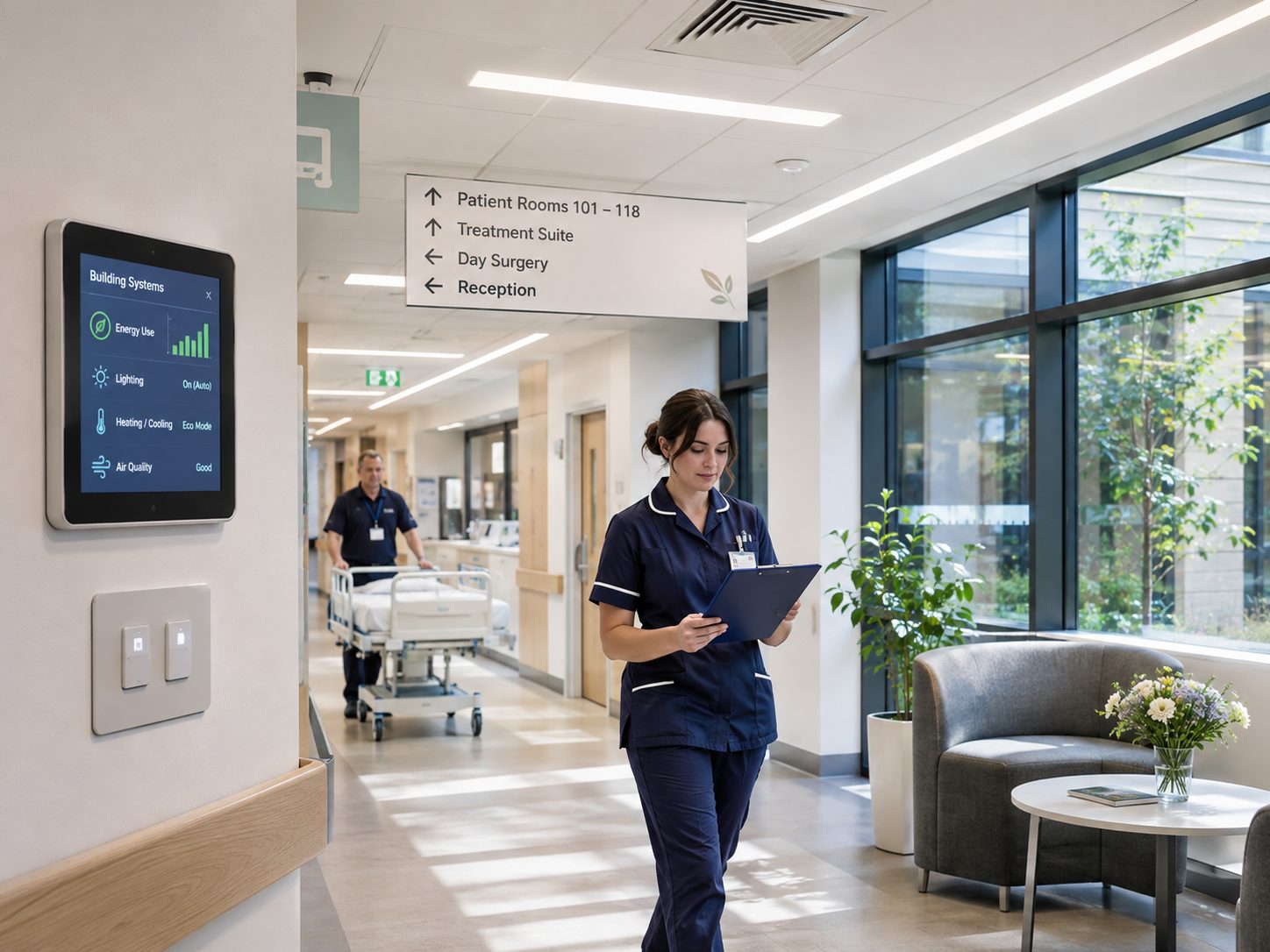
Operating theatres need high air change rates when in use, and many systems run that way around the clock. HTM 03-01 already allows theatre ventilation to be switched off or set back when theatres are not in use, but NHS England says this is not widely implemented. Its Estates Technical Bulletin 2026/1, published in July 2026, sets out how to do it safely, and should be read alongside HTM 03-01.1 Any change needs your ventilation authorising engineer and infection prevention team involved.
Controls and schedules
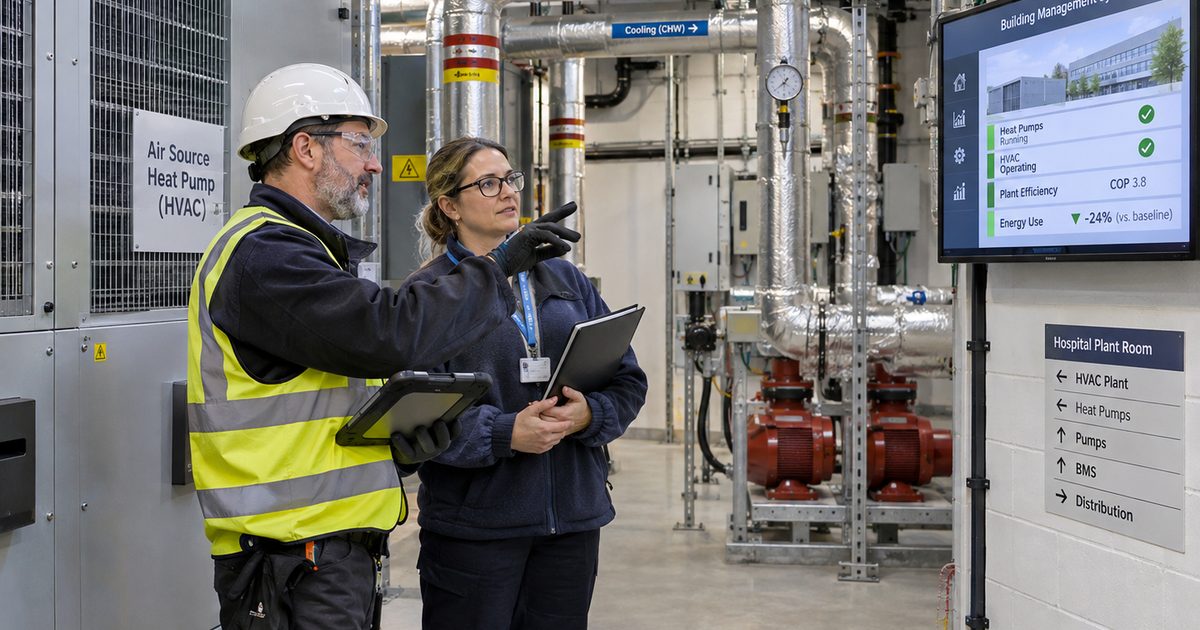
Building management system (BMS) settings drift. Outpatient departments, offices, education centres and restaurants on a hospital site keep set hours, but their heating, cooling and air handling often run on the main hospital's 24-hour schedule. NHS Wales asks for seasonal reviews of BMS settings, heating timers and thermostats for exactly this reason.2 At Nottingham City Hospital, the contractor reports that the BMS upgrade alone saved more than 7 million kWh of gas a year, nearly five times the guaranteed figure.3
In the analyser, set each non-clinical building's real opening hours and it will show use outside them, priced at your rates.
Lighting
Many hospital areas are lit around the clock. LED replacement, with presence and daylight controls in corridors, stairs, car parks and plant rooms, is usually among the shortest paybacks available. Nottingham City Hospital's programme replaced more than 6,600 fittings.4
Steam, hot water and pipework
- Failed steam traps and uninsulated valves and flanges waste heat around the clock.
- Long steam mains to a few users can cost more in losses than they deliver.
- Pumps and fans without variable speed drives run at full speed whatever the demand.
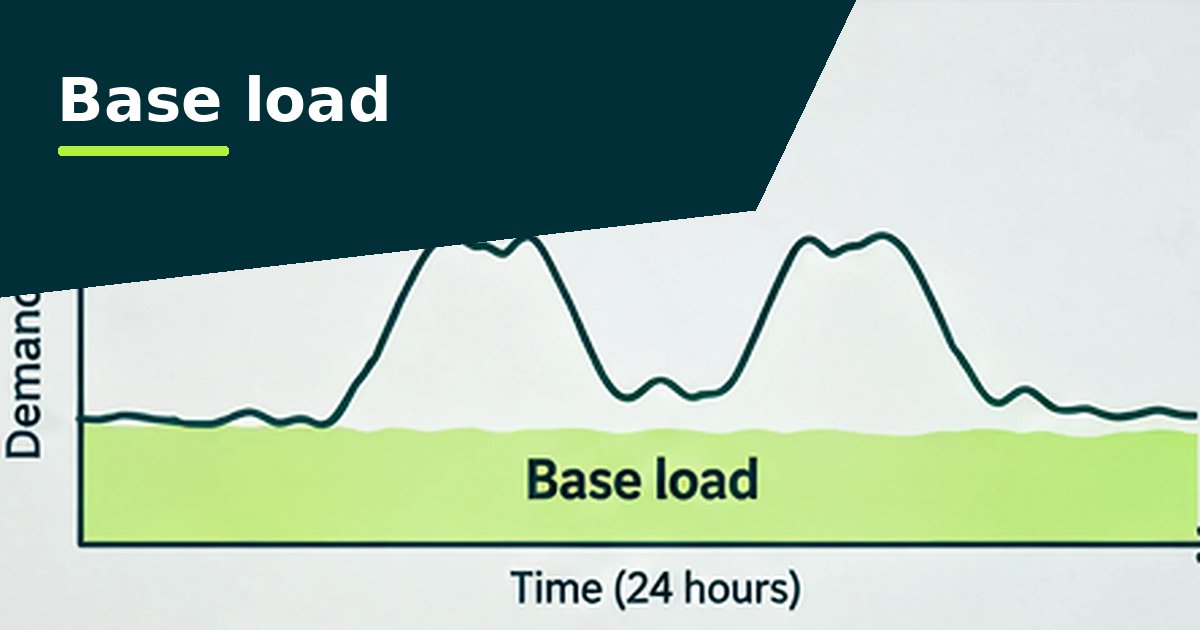
Base load
A hospital's base load, the demand it never drops below, is mostly essential. But it also hides chillers short-cycling, plant left on after a refurbishment, and equipment nobody owns. A step up in base load after works is a common sign. The analyser flags lasting changes and unusual days. See base load.
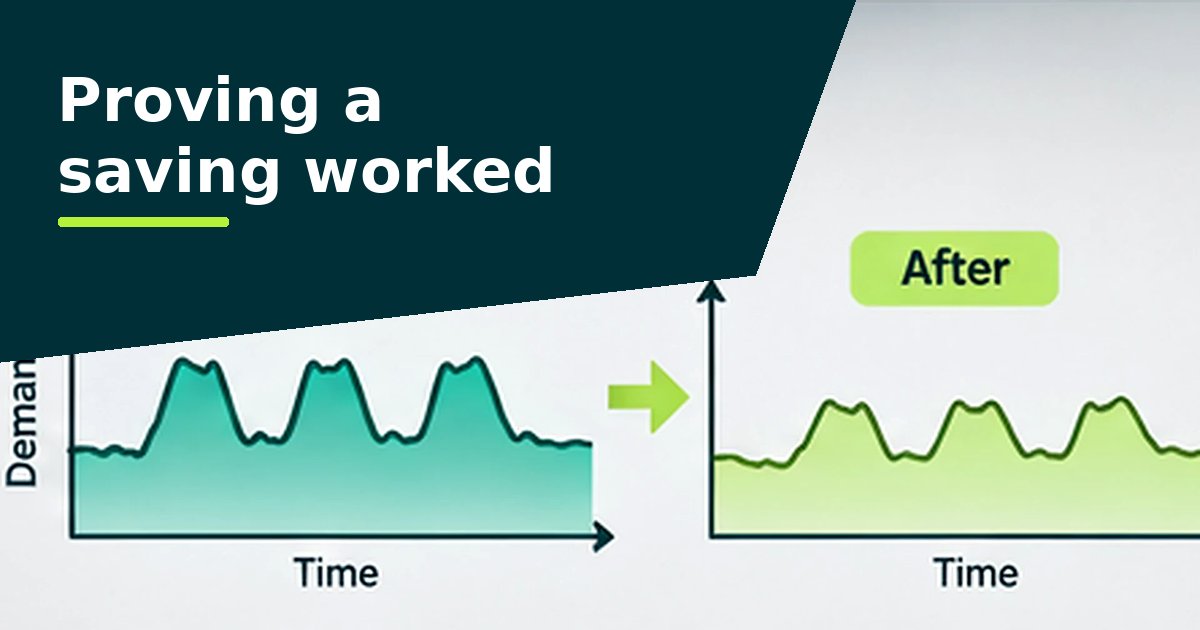
Proving it worked
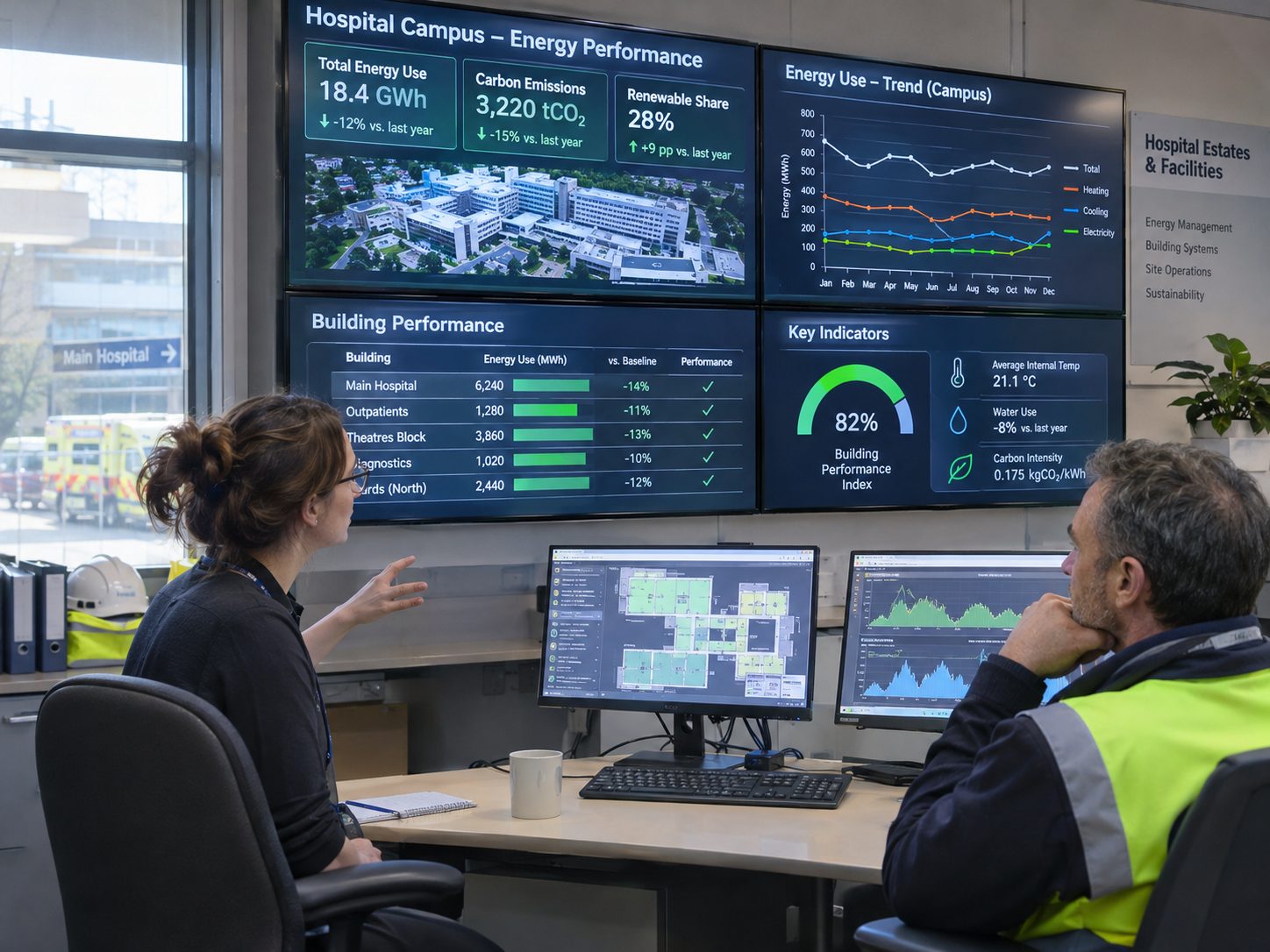
Change one thing at a time where you can, and compare matched weeks before and after with the analyser's before-and-after view. Measured savings are what boards, funders and Green Plan reports want. See proving a saving worked.
Sources
Checked 18 November 2026.
- NHS England: NHS Estates Technical Bulletin 2026/1, generating energy efficiency savings through controlling theatre ventilation (July 2026)
- Welsh Government: NHS Wales decarbonisation strategic delivery plan 2025 to 2030, Part 6: buildings and land
- Vital Energi: UK's last coal-heated hospital completes switch to clean energy (11 May 2026)
- Building Better Healthcare: UK's last coal-heated hospital switches to clean energy after £34.8m overhaul
- NHS England: Delivering a net zero NHS
Questions people ask
Can theatre ventilation be turned down overnight?
HTM 03-01 allows theatre ventilation to be switched off or set back when theatres are not in use, and NHS England's Estates Technical Bulletin 2026/1 explains how to do it safely. Involve your ventilation authorising engineer and infection prevention team.
What is the quickest energy saving in a hospital?
Usually fixing controls and schedules so that non-clinical areas stop running on the 24-hour hospital timetable. It costs little and the half-hourly data shows the result within weeks.
How do we prove a saving?
Compare matched periods before and after the change with half-hourly data, one change at a time where possible.