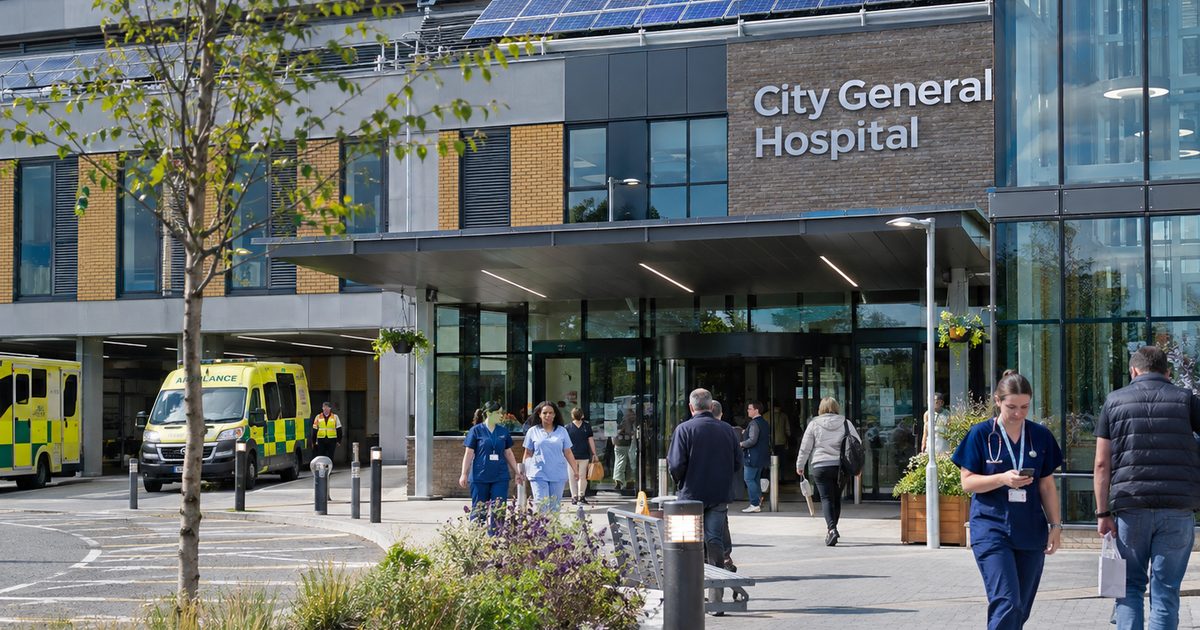
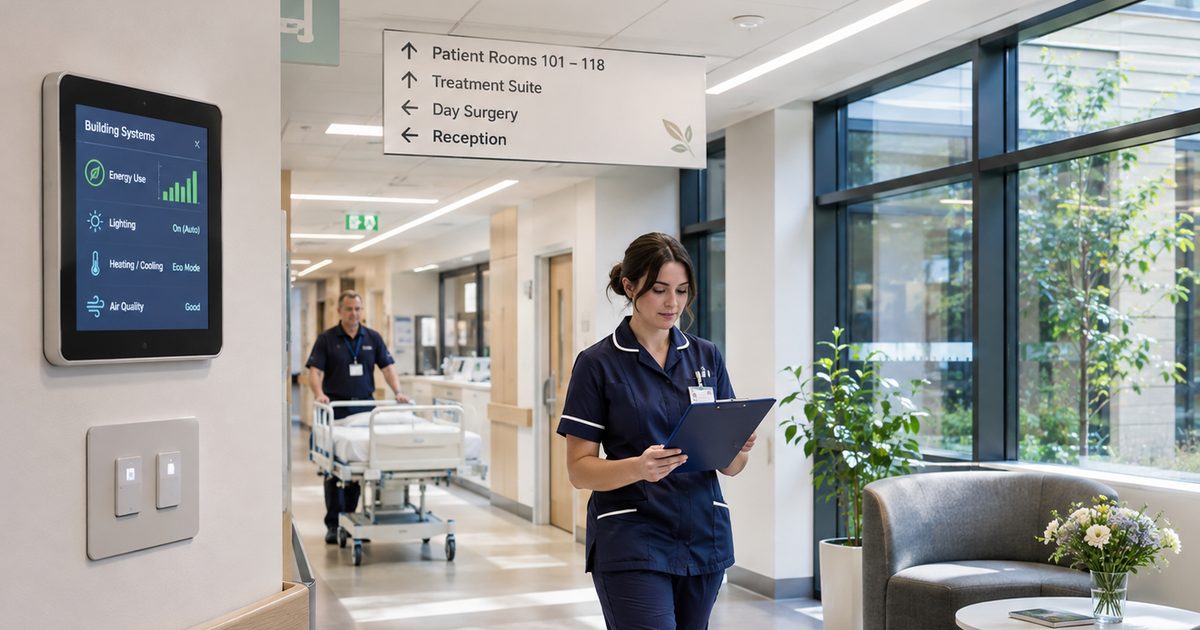
Most independent hospital groups have to report energy and carbon under ESOS and, for larger companies, SECR. Those delivering NHS work also need carbon reduction plans under the NHS supplier roadmap, with a stricter standard for larger contracts from April 2027. Many have signed the IHPN commitment to reach net zero by 2035. Half-hourly data gives the electricity side of all of these, and the evidence for solar and efficiency projects.
ESOS Phase 4
The Energy Savings Opportunity Scheme applies to large undertakings and groups that contain one. The qualification date for Phase 4 is 31 December 2026,1 and organisations that qualify must complete their assessment and notify compliance by 5 December 2027. A large undertaking is broadly one with 250 or more employees, or with turnover above £44 million and a balance sheet above £38 million.2 Twelve months of half-hourly data for every site makes the energy audit faster and more accurate, and shows the savings opportunities ESOS asks you to identify.
SECR
Larger companies report their UK energy use and emissions in their annual report under Streamlined Energy and Carbon Reporting (SECR), using the government's conversion factors. The electricity factor for 2026 reporting fell to about 0.13 kg CO₂e per kWh, so reported Scope 2 emissions fall even if use does not change.6 Say which year's factors you used.
Delivering NHS work
Since April 2024, NHS England has required a carbon reduction plan for all new procurements, and all NHS procurements carry at least a 10% weighting for net zero and social value.4 From 1 April 2027 a stricter carbon reduction plan standard applies to contracts worth £5 million a year or more and to new frameworks.5 A credible plan, backed by measured site data and projects, is now part of winning NHS work.
The sector commitment
The Independent Healthcare Providers Network has set a sector-wide ambition for independent providers to reach net zero by 2035, five years ahead of the NHS's 2040 target for its direct emissions.3
What projects look like

- Solar. Private hospitals run around the clock, so they use most of a well-sized system's output. Power purchase agreements avoid capital; buying outright gives the best lifetime return and may qualify for capital allowances. See paying for solar and the solar calculator.
- Heat. The same heat pump, flow temperature and hot water questions as NHS sites. See heat decarbonisation.
- Efficiency. Theatre ventilation setback, BMS schedules for outpatient and consulting areas, and LED lighting. See energy efficiency.
Using the analyser across a group
Load one file per meter for every hospital in the group. The analyser ranks sites, shows base load and peaks against capacity for each, and produces a portfolio PDF and Excel export you can use in your ESOS audit, SECR narrative or carbon reduction plan. The analysis runs in your browser, so commercially sensitive data never leaves your computer.
Sources
Checked 18 November 2026.
- GOV.UK: How to comply with the Energy Savings Opportunity Scheme (ESOS) Phase 4
- Burges Salmon: ESOS Phase 4 key dates
- Independent Healthcare Providers Network: Net Zero Commitment
- NHS England: Greener NHS, suppliers and the net zero supplier roadmap
- NHS England: 2027 NHS carbon reduction plan requirements for the procurement of NHS goods, services and works
- Department for Energy Security and Net Zero: Greenhouse gas reporting, conversion factors 2026
Questions people ask
Do private hospitals have to comply with ESOS?
If the group, or any UK company in it, is a large undertaking on 31 December 2026, yes. Compliance must be notified by 5 December 2027.
Do NHS suppliers need a carbon reduction plan?
Yes, for all new NHS procurements since April 2024, with a stricter standard for contracts worth £5 million a year or more and new frameworks from 1 April 2027.
Is solar worthwhile for a private hospital?
Usually, because demand runs all day every day, so most of the output is used on site. Measure your own share used from half-hourly data and model the site in the solar calculator.