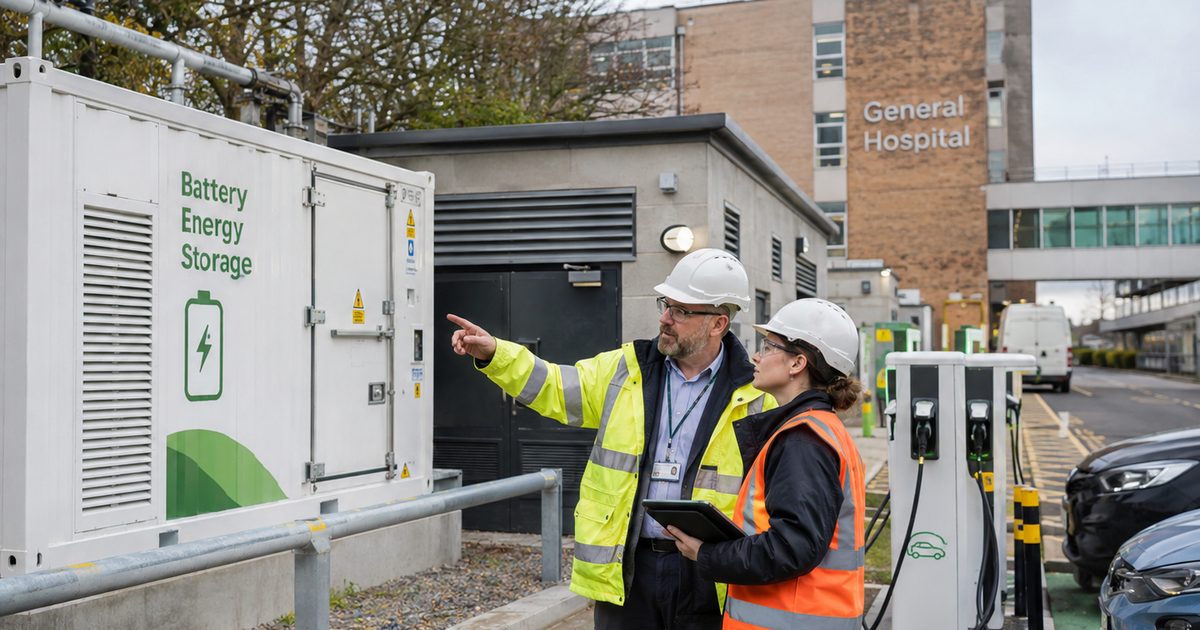
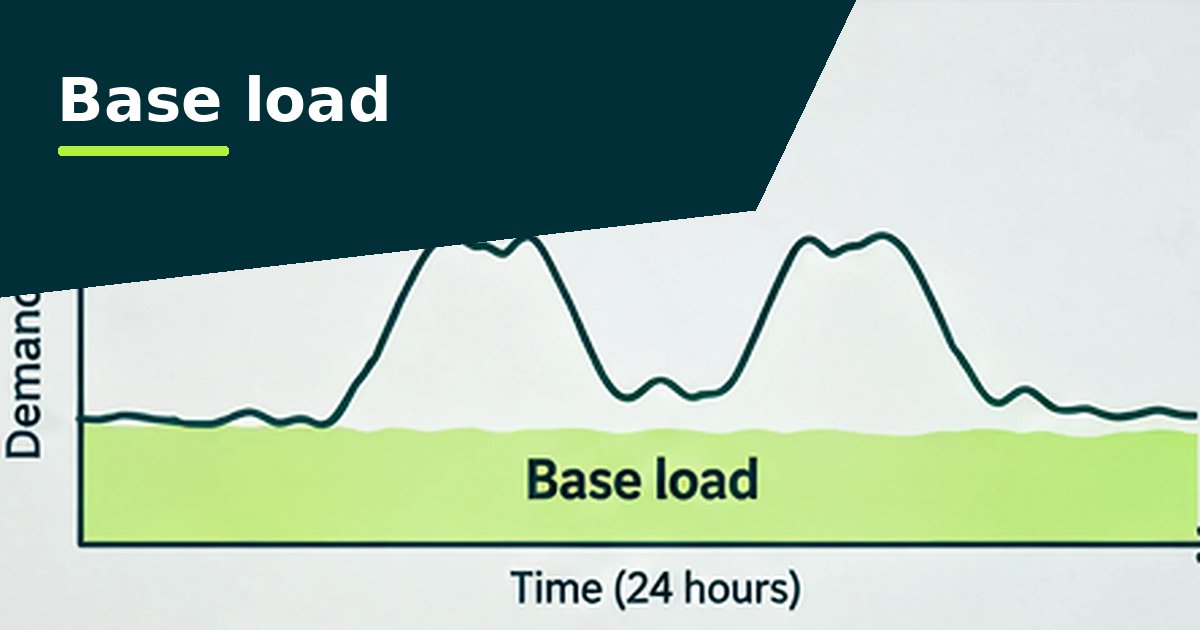
Expect a steady base with peaks around shift changes. As electric ambulances and support vehicles arrive, charging creates new, large peaks that can arrive at the same time every day.

What to check first
- Peaks at shift changes against the agreed supply capacity
- Room for EV charging before any chargers are ordered
- Workshop and make-ready equipment left running between shifts
- Heating in vehicle bays and stores
- Daytime demand that solar could cover
Setting the hours in the analyser
Use the 24-7 preset for operational stations, and the clinic or office preset for administration buildings with set hours.
Each site is compared with its own calendar, so getting the hours right matters more than the type of building.
Heat, capacity and solar
Fleet electrification is a capacity project. Use the headroom check with your planned chargers as a test load, and look at smart charging to keep within the limit. See electrical capacity.
The analyser's Solar tab shows how much of a system's output each supply would use, and passes it to the solar calculator, so the payback is based on your own profile. See sizing solar from half-hourly data.
How does your site compare?
To see whether a site's total use is high for its type, compare its kWh per square metre with similar sites. In England, ERIC site data is public; see estates returns and benchmarking. Then use the half-hourly pattern to find out why. Questions about the analyser are answered in the FAQ.
Questions people ask
How much capacity do EV chargers need?
As an illustration, two 50 kW rapid chargers running together need about 100 kW. Smart charging can spread the load so fewer chargers run at full power at once.
Can solar help with EV charging?
It can cover some daytime charging, but vehicles often charge overnight. Batteries can store solar for later use.