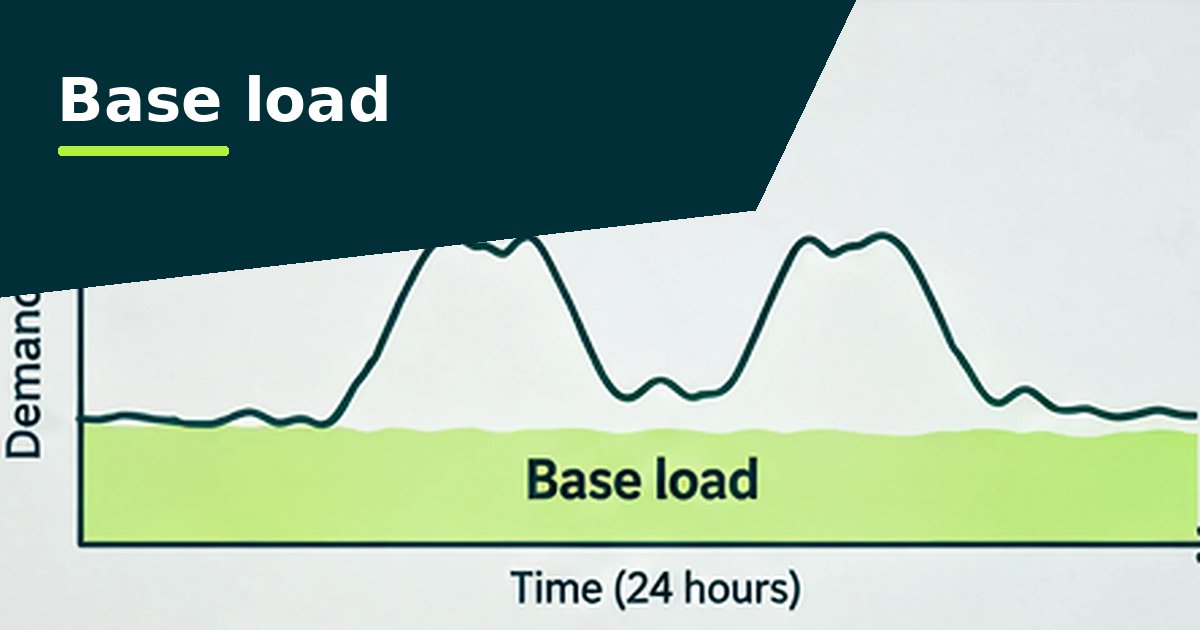
Expect continuous demand with a daytime rise from outpatients, theatres, imaging and offices, and often a summer peak from cooling. The base load is high because so much has to run all the time, which makes changes in it easy to spot and expensive to ignore.

What to check first
- Night-time demand in non-clinical blocks (offices, education centres, restaurants, outpatients) close to daytime levels
- Theatre ventilation running at full rate overnight and at weekends
- Steps up in base load after new equipment, a refurbishment or a BMS change
- Winter and summer peaks against each supply's agreed capacity, with and without CHP running
- How much of a solar system's output each supply would use, before you size one
Setting the hours in the analyser
Set the main hospital supply to the "Hospital / 24-7 inpatient site" preset, which has no closed hours and uses 01:00 to 05:00 as a low-activity window. If you have sub-meters for outpatients, offices or education buildings, give them their real opening hours so their out-of-hours use shows.
Each site is compared with its own calendar, so getting the hours right matters more than the type of building.
Heat, capacity and solar
Acute sites carry most of the heat load and most of the CHP on the estate, so they decide the electrical capacity question. Check headroom in winter with any CHP switched off, before heat pump schemes are designed. See electrical capacity and moving away from CHP.
The analyser's Solar tab shows how much of a system's output each supply would use, and passes it to the solar calculator, so the payback is based on your own profile. See sizing solar from half-hourly data.
How does your site compare?
To see whether a site's total use is high for its type, compare its kWh per square metre with similar sites. In England, ERIC site data is public; see estates returns and benchmarking. Then use the half-hourly pattern to find out why. Questions about the analyser are answered in the FAQ.
Questions people ask
Can out-of-hours analysis work for a hospital?
Not for the main 24-hour supply, which has no closed hours. Compare day with night, track the base load and watch for lasting changes instead. For clinics and offices on the site, out-of-hours analysis works as it does anywhere.
Why does supply capacity matter so much?
Replacing gas heating with heat pumps adds a large electrical load in winter, and removing CHP adds its full output to grid import. Check how close your peaks already come to the agreed capacity first.